Dichloromethane, abbreviated as DCM, is a colorless, transparent, heavier than water, and volatile liquid at room temperature. It is slightly soluble in water and miscible with most commonly used organic solvents. It has a pungent odor similar to ether. Dichloromethane has a low boiling point and is prone to volatilization during industrial production, causing environmental pollution. The commonly used processes for treating dichloromethane waste gas include low-temperature condensation, solvent absorption, and activated carbon adsorption. Below, Haipu will provide a detailed introduction to the treatment and recovery technology of dichloromethane waste gas, hoping to be helpful to you.
Due to its strong solubility, low boiling point, relatively low toxicity, and reaction inertness, it has long been the preferred solvent for various applications. As a reaction medium in the pharmaceutical industry, it is used to prepare ampicillin, hydroxybenzylpenicillin and cephalosporin, as well as a solvent in film production. It can also be used as a petroleum dewaxing solvent, aerosol propellant, organic synthetic extractant, foaming agent and metal cleaning agent for the production of polyurethane and other foam plastics.
The low-temperature condensation method is a process that utilizes the relationship between the saturated vapor pressure of dichloromethane and the decrease in temperature, lowering the temperature below the boiling point of dichloromethane to transform it from a gaseous state to a liquid state. This process has a good recovery effect on high concentration dichloromethane waste gas, but incomplete condensation will still result in high concentration waste gas being discharged.
The solvent absorption method is a process that utilizes the high solubility of dichloromethane, selects other high boiling organic solvents to absorb dichloromethane waste gas, and then distills and recovers dichloromethane. The processing efficiency of this process is low, the solvent absorption is insufficient, and the absorbent itself will also evaporate, resulting in secondary pollution.
Activated carbon adsorption method is a process that utilizes the adsorption properties of activated carbon to adsorb dichloromethane from exhaust gas, and then recovers dichloromethane through steam blowing. The adsorption effect of activated carbon in this process is greatly affected by moisture, and the adsorption performance decreases significantly after multiple blow off regenerations; And dichloromethane is easily catalyzed and decomposed by impurities in activated carbon, producing hydrogen chloride gas. When it comes into contact with water, it turns into hydrochloric acid and corrodes equipment severely, shortening the service life of pipeline equipment.
In response to the current problems in the treatment of dichloromethane waste gas, Jiangsu Haipu Functional Materials Co., Ltd. has developed HDV type polymer nano adsorbent, which can adsorb and remove dichloromethane from waste gas. After adsorption saturation, the nano adsorbent is desorbed and regenerated using steam, and dichloromethane steam can be condensed and recovered. The specific process is as follows:
Specific process description:
The dichloromethane waste gas in the workshop is first extracted by a vacuum pump and then subjected to secondary condensation. The first stage condensation temperature is around 10 ℃, and the second stage condensation temperature is around -10 ℃. The condensed and liquefied dichloromethane is received in a storage tank, and the uncondensed dichloromethane waste gas is connected to an adsorption tower containing nano adsorbents for adsorption enrichment (adsorption temperature at room temperature, adsorption pressure at~6kpa). After adsorption, the waste gas can be discharged in compliance with standards. After the adsorbent is saturated, low-pressure steam is introduced into the adsorption tower for stripping (at a temperature of around 80 ℃).
The mixture of dichloromethane and water vapor blown out can be separated and recovered by condensation liquefaction, settling and layering. The temperature of the nano adsorbent after steam desorption is relatively high. After cooling to room temperature with clean air, it can be reused for adsorption. The adsorption tower is usually equipped with two units, one for adsorption and one for desorption as a backup. For high concentration exhaust gases, two or more units can also be configured.
This process can achieve a removal rate of over 99% for dichloromethane in exhaust gas and has been validated on multiple project sites.
Advantages of HDV type nano adsorbent:
1. The pore structure is controllable and the pore volume is high.
2. Has good physical and chemical stability, is resistant to acid, alkali, and organic solvents, has high thermal stability and mechanical strength, and is wear-resistant.
3. The surface exhibits high hydrophobicity, and humidity has no effect on adsorption performance.
4. Easy to regenerate and stable adsorption performance.
5. No hazardous waste is generated without the need for replacement.
The above is an introduction to the article on dichloromethane waste gas recovery. We hope it is helpful to you. To learn more about this aspect, you can consult a professional dichloromethane waste gas treatment and recovery company: Jiangsu Haipu Functional Materials Co., Ltd. for detailed information.
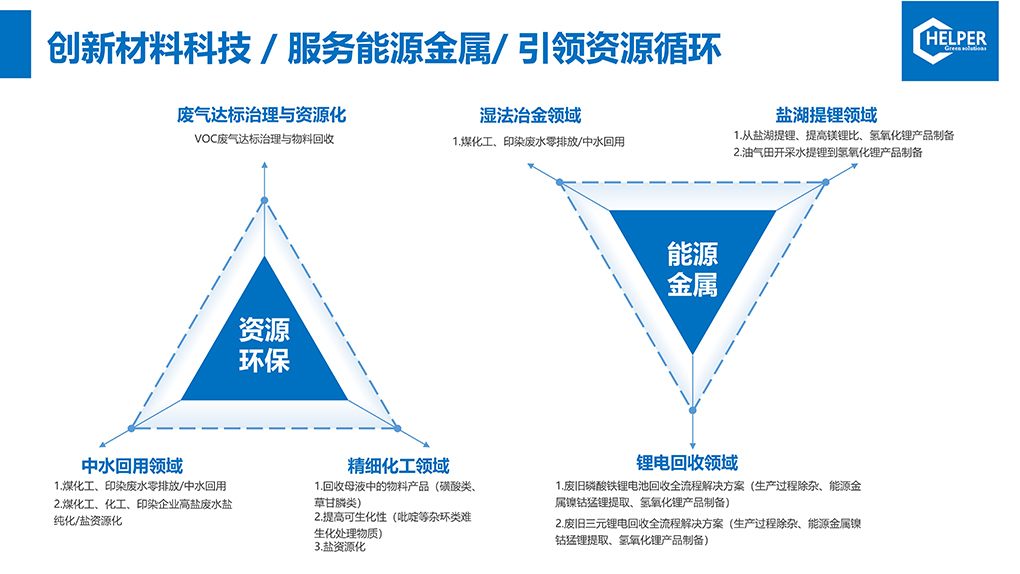
Jiangsu Haipu Functional Materials Co., Ltd. is located in Suzhou Industrial Park. It is a national high-tech enterprise that uses special adsorbents and catalysts as its core technology, supporting the development of application processes, technical services, engineering implementation, etc., to solve related environmental problems for customers.
Haipu's technical team won the Suzhou Industrial Park Leading Talent Award in 2013 and 2015, and the Gusu Leading Talent Award in 2015. Jiangsu Haipu Functional Materials Co., Ltd. was rated as a national high-tech enterprise twice in 2015 and 2018, and was approved as the Suzhou Adsorption and Catalytic Functional Nanomaterial Engineering Technology Research Center in 2018. Jiangsu Haipu Functional Materials Co., Ltd. has a leading technological level in the treatment of adsorption materials. The supporting adsorption treatment process is efficient and stable, and has solved multiple environmental problems for many leading domestic enterprises in the industry.

 CN
CN EN
EN
 es
es