Coal Chemical Biochemical Tail Water Treatment Method - Adsorption Method
The production of coal chemical wastewater is enormous, and different raw coal qualities and processing techniques have an impact on the composition of the wastewater. The main characteristic of coal chemical wastewater is its high concentration of chemical pollutants, complex types of pollutants, and a large amount of inorganic toxic pollutants such as S2- and CN -. The wastewater also contains a large amount of phenolic and aromatic organic compounds, as well as high concentrations of ammonia nitrogen eutrophication pollutants. These coal chemical pollutants have high concentrations, are difficult to treat, and have high treatment costs, which makes some coal chemical enterprises take risks to illegally discharge and leak, further increasing the difficulty of environmental protection and development in China.
1. Sources and characteristics of coal chemical wastewater
Coal and other chemical raw materials undergo chemical reactions under certain production environments and conditions, which can produce a variety of chemical products for various purposes. On the other hand, a large amount of industrial wastewater is also generated during the production process. This type of industrial wastewater usually refers to coking wastewater, liquid wastewater, and vaporization wastewater, which contain various pollutants such as suspended solids, oil pollution, sulfur-containing compounds, ammonia nitrogen compounds, cyanides, phenols, alkanes, and other heterocyclic compounds.
2. Current Coal Chemical Wastewater Treatment Process
2.1 Preprocessing Techniques
Due to their complex pollution characteristics, coal and chemical wastewater need to be treated according to a certain process flow. Due to the mutual influence of various chemical substances, some inappropriate treatment processes can easily introduce new pollutants. At the same time, there are many toxic and harmful components in coal chemical wastewater, which can easily have toxic effects on the back-end biochemical processes. Therefore, certain pretreatment processes must be adopted for coal chemical wastewater. For example, the treatment of coal tar wastewater requires oil removal first, which facilitates the direct removal of dissolved pollutants from industrial wastewater in subsequent biological reaction tanks. The process of removing oil from industrial wastewater: ① Using air flotation to adsorb oil droplets in a large number of small bubbles for separation; ② Using the principle of centrifugal settling to rotate coal chemical wastewater for the separation of contaminated oil and wastewater; ③ Use a professional oil-water separator for separation. Effective pretreatment of phenolic and ammonia waste gases is often required in coal chemical wastewater to ensure the normal and stable operation of subsequent industrial wastewater treatment processes.
2.2 Biological treatment technology
After pretreatment, the content of pollutants such as COD, total phenols, and ammonia nitrogen in coal chemical wastewater can be effectively removed. However, there are still many residual pollutants in the wastewater, which require further treatment after pretreatment. For later treatment, biological methods can be used to effectively degrade chemical pollutants in coal chemical wastewater. The biological treatment of coal chemical wastewater has certain limitations, as it is difficult to degrade polycyclic or heterocyclic compounds. When treating pollutants in coal chemical wastewater, the removal efficiency of biological methods can reach about 75%. In addition, the deep removal of phenolic substances in wastewater can be achieved through anaerobic treatment processes in biological methods, which have the advantages of high mass transfer, good mixing performance, and low sludge production. In short, for the treatment of coal chemical wastewater, it is necessary to comprehensively remove the pollutants, including external protective substances, basic pollutants, and environmental pollutants, and control the ammonia nitrogen content during the treatment process.
2.3 Deep processing technology
The coal chemical wastewater that has undergone biochemical treatment has effectively removed the pollutants inside, but at this time, the coal chemical wastewater has not yet reached the discharge standards. There are also a large amount of COD and color emulsions in these wastewater, which can cause environmental pollution. Therefore, a deep treatment process is needed. There are two treatment methods for coal chemical wastewater, namely physical and chemical treatment and advanced oxidation treatment. Physical and chemical treatment includes coagulation precipitation method, adsorption method, and membrane separation method. Advanced oxidation methods mainly include Fenton, ozone oxidation, electro oxidation and other processes, but the treatment cost is high, and some advanced oxidation processes are also prone to secondary pollution. Both sedimentation and adsorption methods have been widely used in the treatment of coal chemical wastewater, with low physical and chemical treatment costs, easy operation, and good results.
3. Haipu processing plan
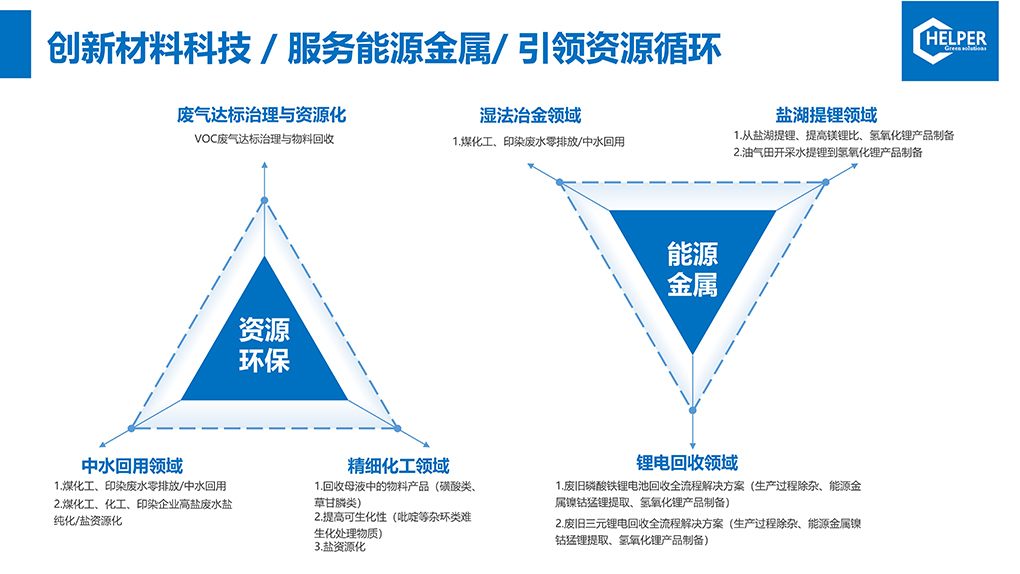
Jiangsu Haipu Functional Materials Co., Ltd. is a high-tech enterprise dedicated to the research and development of high-performance adsorbents, catalysts, and their process applications. With a series of independently developed high-performance adsorbents and catalysts as the core, combined with independently developed process technology, Haipu has become a professional solution provider in the fields of environmental governance and resource recycling. At the same time, taking it as our responsibility to help industrial enterprises meet environmental standards and achieve sustainable development through resource utilization, we adopt modular lean production and develop engineering solutions based on research and development data. Relying on independently developed high-performance adsorbents and rigorous and comprehensive process development, Haipu has accumulated many treatment cases in wastewater treatment, solving development problems for many enterprises and creating value.
The advantages of adsorption method include:
Special adsorbents for deep treatment of coal chemical biochemical wastewater have high decolorization efficiency and no color reversal. Good removal efficiency and stable performance for COD and other pollutants. At the same time, it has a high removal efficiency for large molecular organic compounds such as humic acid and colloidal substances generated by the biochemical system, providing a guarantee for the subsequent reuse of water in RO membranes.
This adsorption process mainly involves physical adsorption, with mild conditions and low industrial scaling up benefits. In pilot or industrial scaling up, due to the denser adsorbent bed and smaller wall flow effect, the treatment effect is often better than that of small-scale experiments.
Simple process, easy operation, low labor intensity, small footprint, and low investment. Low operating costs, stable and reliable treatment effects, and can withstand certain water quality fluctuations and impacts.
Mild usage conditions, long equipment lifespan, simple maintenance, and minimal subsequent investment. This process produces no hazardous waste and no secondary pollution, making it a green and environmentally friendly solution.
4. Application Cases of Biochemical Wei
Case: The COD concentration in the biochemical effluent of a coal chemical enterprise is around 300mg/L, and the treatment requirement is COD<50mg/L. After treatment with the Haipu adsorption process, the COD is greatly reduced and stably meets the standard.
Table 1 Comparison of Raw Water and Outlet Water
| Source | pH | COD | Appearance |
| Absorb incoming water | 8.2 | 310mg/L | Canary yellow |
| Effluent | 7.3 | 40mg/L | Colourless |

 CN
CN EN
EN
 es
es