As a traditional and high-tech industry, the pharmaceutical industry has diverse types of raw materials, numerous production processes, and abundant types of drugs. According to the production stages of drugs, it can be divided into pharmaceutical intermediates, raw material production, and formulation production. In the pharmaceutical production process, solvent consumption is high, which is basically low boiling point volatile pharmaceutical waste gas. A considerable part of the pharmaceutical waste gas is treated, generating a large amount of solvent waste gas. According to surveys, solvent waste gas accounts for more than 95% (mass fraction) of the total emissions of pharmaceutical and chemical waste gas. The treatment of pharmaceutical waste gas is urgent.

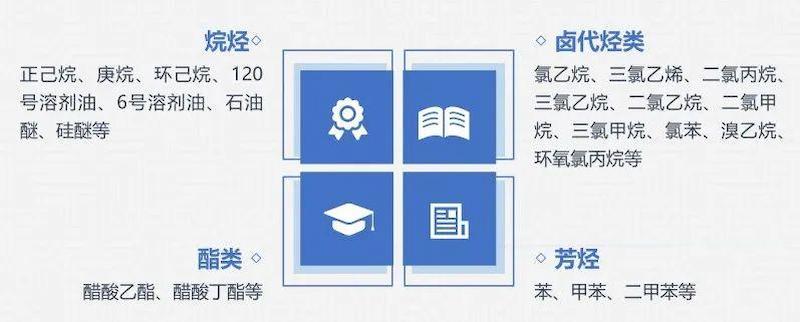
There are dozens of types of solvent exhaust gases, such as methanol, dichloromethane, solvent oil, toluene, acetone, ethyl acetate, tetrahydrofuran, etc., which can be classified into alcohols, halogenated hydrocarbons, benzene, ethers, ketones, lipids, organic amines, etc. According to their solubility in water, they can be divided into water-soluble and non water soluble solvent exhaust gases. Water soluble solvents include alcohols, organic amines, etc., while non water soluble solvents include halogenated hydrocarbons, benzene, etc.
Although some methods have achieved certain results in the treatment of solvent waste gas, there are still many problems, especially the problem of non water soluble solvent waste gas pollution has not been fundamentally solved.
From the perspective of resource recycling, solvent recovery is a reasonable choice, and the best method for solvent recovery is adsorption, among which various adsorbents are relatively mature technologies.
The condensation method is the ultimate means of solvent recovery and a commonly used method for pre-treatment of high concentration VOCs and low air volume gases. However, the concentration of VOCs after condensation still cannot meet the direct emission requirements, so it needs to be combined with other methods.
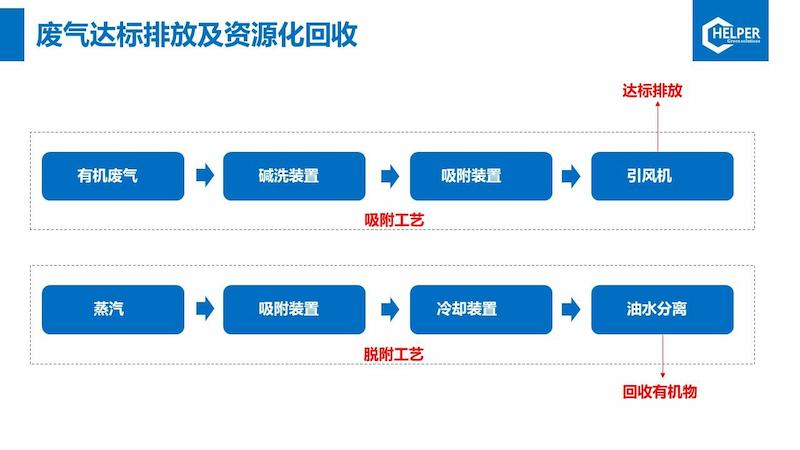
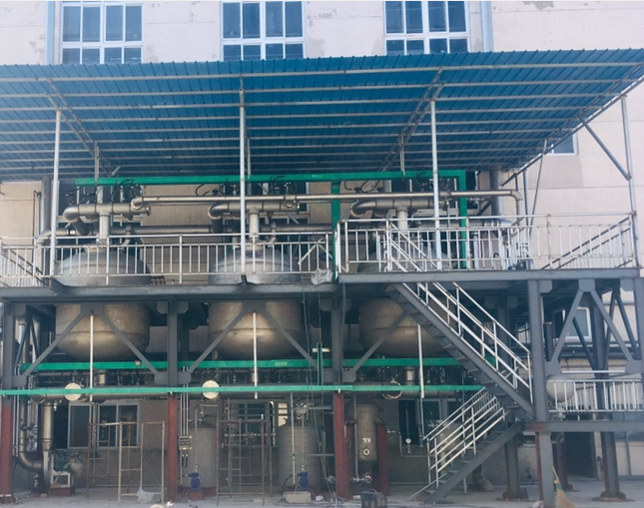
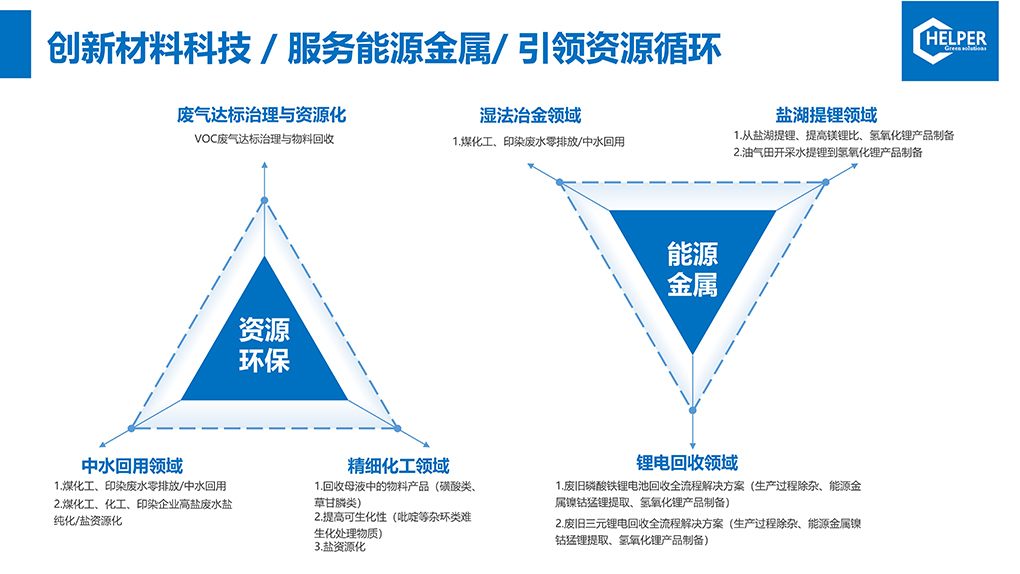
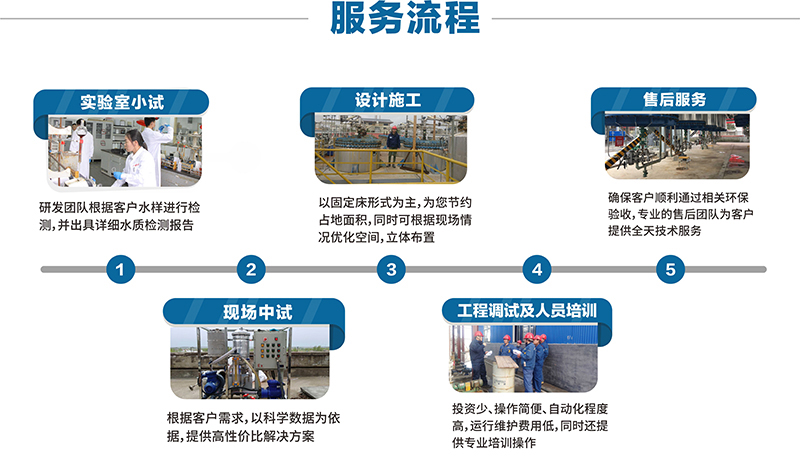
The HDV type polymer nano adsorbent developed by Haipu, combined with a complete set of VOCs organic waste gas treatment equipment and condensation method for recycling, can be used for resource utilization of VOCs waste gas treatment at the end. The relevant adsorption products are available in different models according to the different application scenarios and treatment objects of organic VOCs waste gas in the pharmaceutical industry.

Benzene adsorption resin: HDV336 is used for the recovery and standard emission of benzene, toluene, xylene and other benzene waste gas resources.
Halogenated hydrocarbon adsorption resin: HDV536 is used for the recovery and standard emission of halogenated hydrocarbon waste gas resources such as dichloromethane and dichloroethane.
Ester adsorption resin: HDV330 is used for the recovery and standard emission of ester waste gas resources such as ethyl acetate.
Haipu's multiple VOCs treatment resin products can meet the following waste gas treatment needs in the pharmaceutical industry.

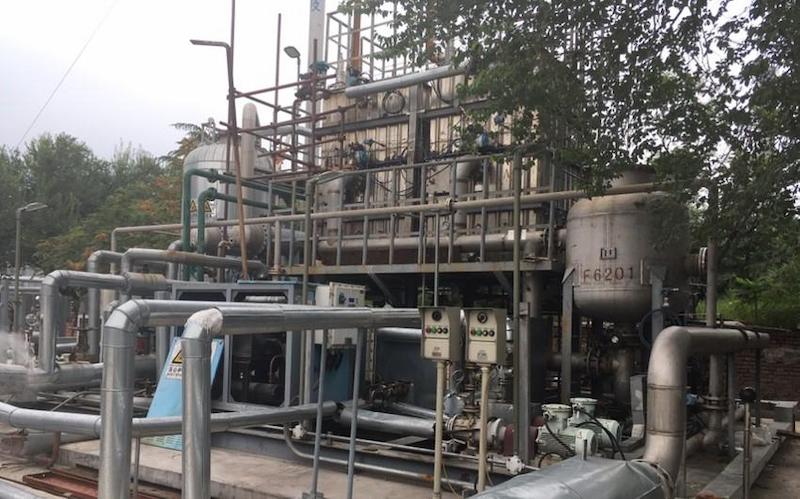
A certain dichloroethane waste gas treatment and recovery project
This project effectively achieved the recovery of dichloroethane waste gas, providing protection for the subsequent RTO system; Recycling resources worth approximately 1.1 million yuan annually.

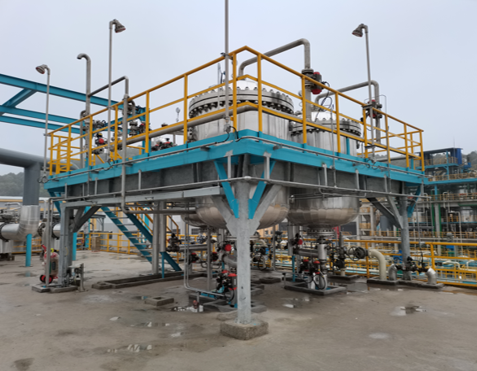
Jiangsu Dichloroethane Waste Gas Treatment and Recovery Project
A production workshop in Jiangsu produces 3000m³/h of dichloroethane waste gas with a concentration of 30000mg/m³. After treatment with our company's special adsorbent, the dichloroethane content is ≤30mg/m³, ensuring that the exhaust can be integrated into the subsequent RTO system and achieving resource recovery of dichloroethane (approximately 710 tons of dichloroethane are recovered annually).
The reliability and stability of technology, the economy of investment and operation, and the convenience of device operation meet customer expectations.

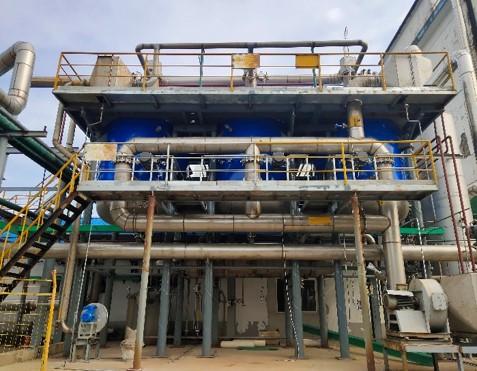
Treatment and Recovery of Toluene Waste Gas
3000mg/m³ of toluene waste gas generated by a petrochemical company in Beijing: After multiple comparisons and investigations, Haipu technology was selected. After our company's special adsorption process, the toluene content was reduced to 5mg/m³, and about 50 tons of toluene were recovered annually.
The company will gradually adopt our adsorption technology instead of the original activated carbon fiber technology for the treatment of nearly 20 other VOCs in the future.
| Serial number | Entry name | Technical parameter |
| 1 | Waste gas components | Mainly dichloroethane |
| 2 | Waste gas content | 3049 mg/m³ |
| 3 | Exhaust condition | Normal temperature and pressure |
| 4 | VOCs emissions | 4.7 mg/m³ |
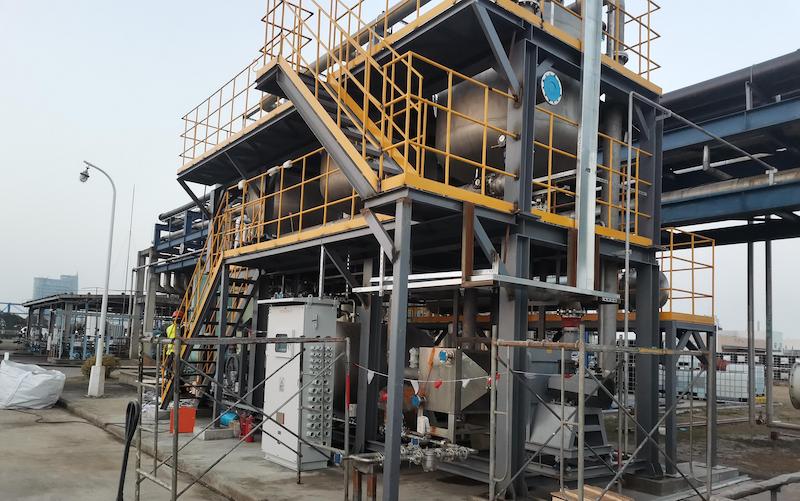
A certain benzene waste gas treatment project
This project can recycle~82.34 tons of benzene annually, and the recycled products are returned to the production process. The annual value of recycled resources is about 494000 yuan.
| Serial number | Entry name | Technical parameter |
| 1 | Waste gas components | Mainly benzene and xylene |
| 2 | Waste gas content | 2954 mg/m³ |
| 3 | Exhaust condition | Normal temperature and pressure |
| 4 | VOCs emissions | 3 mg/m³ |
A cyclohexane waste gas treatment project
This project can recycle approximately 299.3 tons of cyclohexane products annually, which will be returned to the production process. The annual value of the recovered resources is about 1.9155 million yuan.
| Serial number | Entry name | Technical parameter |
| 1 | Waste gas components | Mainly cyclohexane |
| 2 | Waste gas content | 3075 mg/m³ |
| 3 | Exhaust condition | Normal temperature and pressure |
| 4 | VOCs emissions | 2.7 mg/m³ |

A petroleum ether waste gas treatment project
| Serial number | Entry name | Technical parameter |
| 1 | Waste gas components | Mainly acetate esters and petroleum ethers |
| 2 | Waste gas content | 5093 mg/m³ |
| 3 | Exhaust condition | Normal temperature and pressure |
| 4 | VOCs emissions | 33 mg/m³ |

A certain dichloromethane waste gas treatment project
| Serial number | Entry name | Technical parameter |
| 1 | Waste gas components | Mainly dichloromethane |
| 2 | Waste gas content | 24398 mg/m³ |
| 3 | Exhaust condition | Normal temperature and pressure |
| 4 | VOCs emissions | 16 mg/m³ |