1. Source of PMIDA wastewater
PMIDA, also known as N - (phosphonomethyl) iminodiacetic acid, with the chemical formula C5H10NO7P, is an intermediate of glyphosate, a highly efficient, low toxic, and broad-spectrum herbicide.
There are two main ways to synthesize glyphosate in industry: glycine method and iminodiacetic acid (IDA) method. The former is a traditional production technology in China, while the latter is the main process for producing glyphosate abroad (especially in Europe, America, and other regions).
There is basically no wastewater generated during the oxidation stage of PMIDA in production, but a large amount of wastewater containing aldehydes, phosphines, and salts is generated during the production of PMIDA. About 5 tons of wastewater are generated for every ton of PMIDA produced.
Due to limitations in water treatment technology, most domestic enterprises discharge large amounts of untreated wastewater, resulting in serious resource waste and environmental pollution.
2. Characteristics of PMIDA wastewater
In the IDA production process of glyphosate, the main components of the wastewater generated from the mother liquor of glyphosate are as follows:
The wastewater from the mother liquor of PMIDA has the characteristics of large discharge volume, high toxicity, strong acidity (pH=0.6~1), high concentration of pollutants, high salinity, and high content of difficult to degrade compounds. Therefore, the treatment of this wastewater is difficult.
3. Existing technologies for the treatment and resource utilization of glyphosate wastewater
The process of producing PMIDA by IDA method generates a large amount of wastewater containing sodium chloride, PMIDA, organic amines, etc. Due to the high concentration of NaCl in the wastewater, it is difficult to directly carry out biochemical treatment, which brings technical difficulties in wastewater treatment.
The treatment of glyphosate wastewater is one of the challenges that troubles glyphosate production enterprises, and it is a common problem that urgently needs to be solved in the industry, which has received widespread attention at home and abroad.
At present, the main treatment methods for glyphosate wastewater include membrane separation, evaporative crystallization, microelectrolysis, chemical oxidation, adsorption, etc.
Membrane separation technology has the characteristics of good separation effect, low energy consumption, high energy conversion rate, simple structure, and easy operation. However, the cost of the membrane in membrane separation and concentration is high, and its service life is short.
After pretreatment with evaporation crystallization method, the concentration of pollutants in high concentration wastewater of PMIDA is greatly reduced. However, the concentrations of phosphorus, formaldehyde, and COD in the wastewater are still high, and the biodegradability has not been improved. Evaporation concentration requires a large amount of energy consumption;
Micro electrolysis is a process in which numerous tiny primary cells composed of iron and carbon are formed under acidic conditions. Through the oxidation and reduction reactions that occur during the micro electrolysis process, some recalcitrant organic compounds in water are decomposed, thereby improving the biodegradability of wastewater and reducing pollutants such as total phosphorus in water while removing COD.
However, the organic matter removal rate of this method is limited, and for strongly acidic wastewater such as PMIDA wastewater, a large amount of iron sludge will be generated, which will cause secondary pollution.
Catalytic oxidation method for wastewater treatment can selectively oxidize a wide range of organic compounds, but this method has high operating costs and low application maturity.
Adsorption method is one of the most commonly used wastewater treatment technologies, which uses the adsorption effect of adsorbents to separate pollutants from water, thereby reducing the difficulty of subsequent wastewater treatment.
It not only has high separation efficiency, but also has the advantages of simple equipment, convenient operation, high purification rate, and low energy consumption. At present, the commonly used adsorbents are activated carbon and resin.
However, activated carbon adsorption has shortcomings such as unstable adsorption effect, incomplete regeneration, and high operating costs, which limit the application of this technology.
Using resin adsorption to treat glyphosate wastewater, firstly, the glyphosate in the wastewater is separated, and then a high concentration desorption agent is used to desorb it from the adsorbent, in order to achieve the purpose of concentrating and recovering glyphosate, while controlling pollution and achieving resource recovery. But currently, the resins on the market have problems such as low adsorption capacity, high price, and short service life. Therefore, the current research and development of adsorbents with high adsorption efficiency, easy regeneration, stable performance, and low processing costs is an important direction for future development.
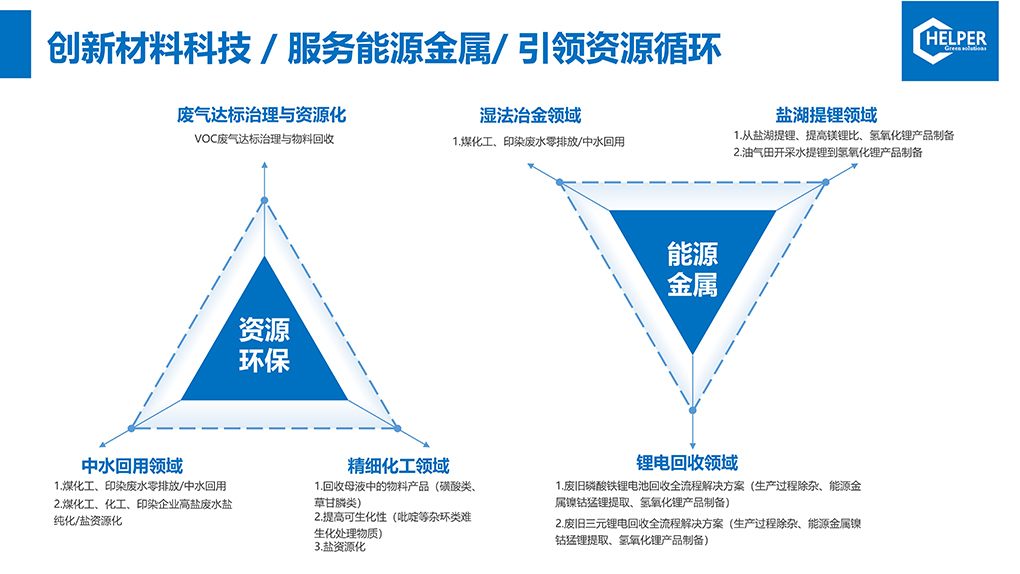
In terms of pesticide, pharmaceutical, and chemical wastewater treatment and resource recovery, the products and technologies developed by Haipu have been applied to the resource utilization treatment of glyphosate wastewater, ortho aminobenzoic acid, saccharin sodium wastewater, sulfonamide wastewater, acetaldehyde wastewater, acetic acid wastewater, etc. Not only have they treated wastewater, but they have also effectively recovered valuable resources from wastewater, creating significant economic value for customers.
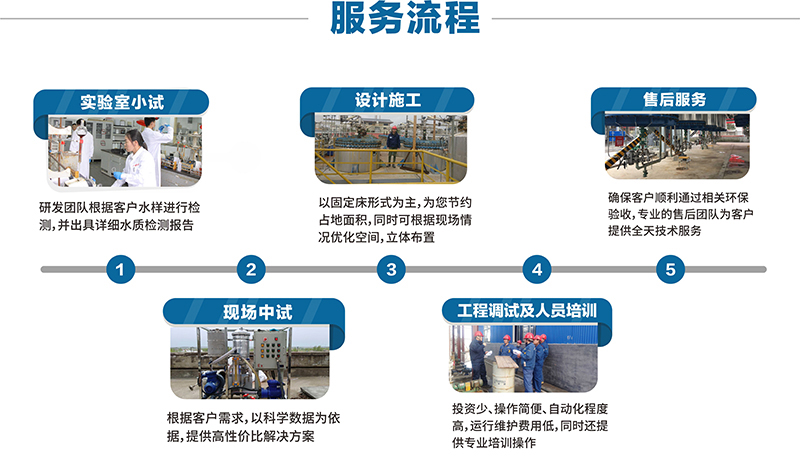
This technology has a large material adsorption capacity, low operating costs, easy regeneration, and long service life; The equipment has technical advantages such as low operating costs, low maintenance costs, and simple operation. The process flow is as follows:
With efficient and practical products and technological strength, Haipu has also gained support and recognition from customers in various industries.
4. Conclusion
The use of membrane separation method, evaporation crystallization method, microelectrolysis method, chemical oxidation method, activated carbon adsorption method and other methods to treat glyphosate wastewater can achieve certain results. However, so far, the treatment of glyphosate wastewater is still a major challenge for enterprises, which requires consideration of both the practicality of treatment technology and the feasibility of infrastructure investment and operating costs.
From the perspectives of economic value and difficulty in wastewater treatment, adsorption method, which aims at resource recovery and utilization, is one of the development trends in the treatment of PMIDA wastewater.
 CN
CN EN
EN
 es
es