Language
Jiangsu Haipu Functional Materials Co.,Ltd.
EN

New Product Release | Fluorinated Wastewater and Fluorinated Material Liquid Deep Fluoride Removal Technology

With the development of the economy, industries such as semiconductors, surface treatment, and mining have generated a large amount of high fluoride wastewater. Due to the significant harm of high fluoride water to human health, the treatment of fluorine-containing wastewater has attracted widespread attention.


Many years ago, the treatment of fluorine-containing wastewater was generally carried out by downstream sewage treatment plants by combining multiple streams of wastewater, diluting the fluoride concentration in the total discharge, and discharging it.


But with the increasingly stringent national environmental protection requirements, environmental protection departments in various regions have strictly controlled the discharge standards of fluorine-containing wastewater. Many companies are also seeking more effective and economical methods for treating fluorine-containing wastewater, generally requiring the treated effluent to be ≤ 1.0 mg/L.


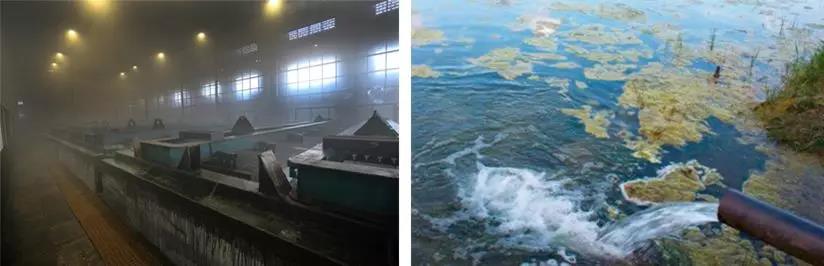
Surface treatment workshop (left) and sewage discharge (right) * Image sourced from the internet

Surface treatment workshop (left) and sewage discharge (right) * Image sourced from the internet


Treatment of Fluorinated Wastewater


There are various methods for treating fluorine-containing wastewater, and the most commonly used ones in engineering currently include precipitation, membrane treatment, and adsorption.


01


Precipitation method


The main method used is calcium salt precipitation, which involves adding lime to the wastewater to form calcium fluoride precipitate between fluoride ions and calcium ions for removal.


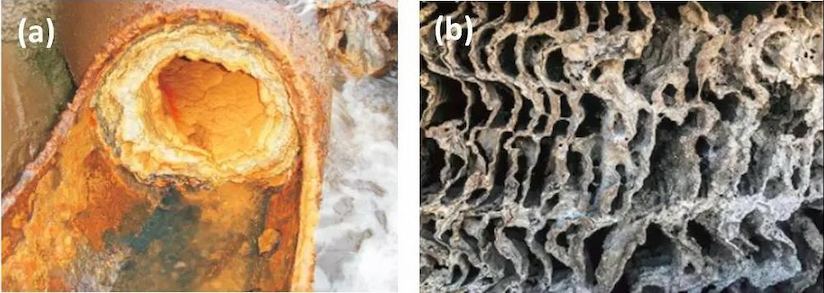
This process method is simple, easy to treat, and cost-effective, but the fluoride content in the treated wastewater is still high (>20ppm), making it difficult to meet the standard; In addition, the large amount of sludge makes dewatering difficult, and the pipeline is prone to scaling, resulting in high post-treatment costs (as shown in Figure 2a).


In addition, there have been reports of using defluorination agents to remove fluoride ions from water, but most of them have unstable removal effects, usually requiring excessive use, high operating costs, and many agents themselves are organic matter, which can cause secondary pollution problems such as COD.


02


Membrane treatment method


Mainly including electrodialysis and reverse osmosis, which can effectively remove fluoride ions and produce no sludge; But the membrane is prone to contamination (as shown in Figure 2b), and the cost of replacement and maintenance in the later stage is too high.


03


Adsorption method


It has the advantages of easy operation and simple equipment, mainly using activated alumina, and is widely used in the industrial field.


However, the removal of fluoride by activated alumina generally faces problems such as small adsorption capacity, low selectivity, difficulty in reuse, and high cost.


Therefore, there is still a need for an adsorbent with high adsorption capacity, high selectivity, easy regeneration ability, and high recyclability to effectively treat fluorine-containing wastewater.


In addition, the high fluoride and high salt feed liquids generated in industrial production mostly require direct defluorination without introducing other substances for subsequent processing or utilization of the feed liquids.


Adsorption method is a reliable alternative technology, but the prerequisite is that the adsorbent must have high selectivity and high adsorption capacity.


Pipeline scaling (a) and membrane fouling (b)

Photo 2: Pipeline scaling (a) and membrane fouling (b)


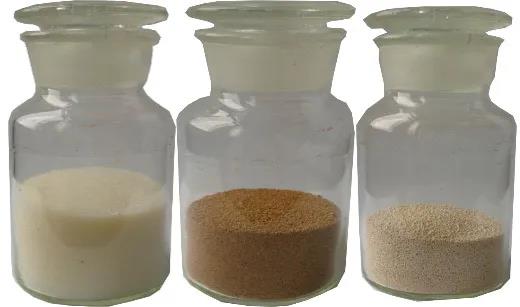
Based on the characteristics of fluorine-containing wastewater and the physicochemical properties of fluoride ions, Haipu has developed a series of high-performance fluoride removal adsorbents (as shown in Figure 3). In addition to being used for standard treatment of conventional fluorine-containing wastewater, they can also be used for high fluoride and high salt feed solutions to meet customer production needs.


luorine removal adsorbent series

Figure 3 Fluorine removal adsorbent series


The practical application of defluorination adsorbent


A high fluoride wastewater was generated during the production of a certain agricultural chemical enterprise, which needs to be treated to meet the standard. After being treated with our special adsorbent, the data is shown in Table 1 below.


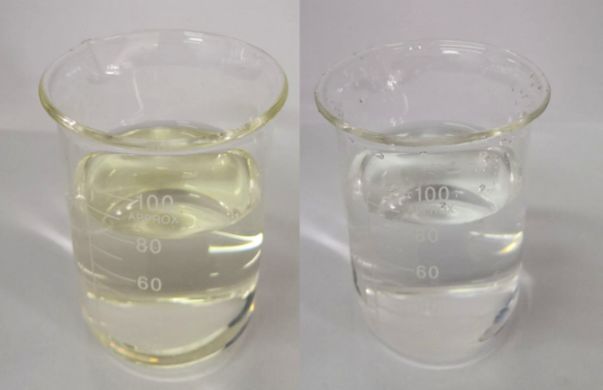
The appearance before and after treatment is shown in Figure 4. After adsorption, the wastewater changes from yellow to colorless and can be directly discharged in compliance with standards.


Fluorine concentration in raw waterCustomer demand for effluent fluoride concentrationFluorine concentration in effluent treated with Haipu adsorbent
320ppm<1ppm0.15ppm

Table 1 Comparison of Fluorine Concentration in Raw Water, Customer Requirements, and After Treatment with Haipu Adsorbent


Photos of raw water (left) and effluent (right)

Figure 4: Photos of raw water (left) and effluent (right)


A certain lithium battery recycling enterprise produces two streams of high fluoride and high salt material liquids during the recycling of valuable metal resources, which require defluorination treatment and do not introduce other ions.


After treatment with our highly selective defluorination adsorbent, the relevant data is shown in Table 2.


Fluorine concentration in raw waterCustomer demand for effluent fluoride concentrationFluorine concentration in effluent treated with Haipu adsorbent
High fluorine liquid 13232ppm<40ppm1.25ppm
High fluorine liquid 2930ppm<60ppm0.25ppm

Table 2 Comparison of Fluorine Concentration in Raw Water, Customer Requirements, and After Treatment with Haipu Adsorbent


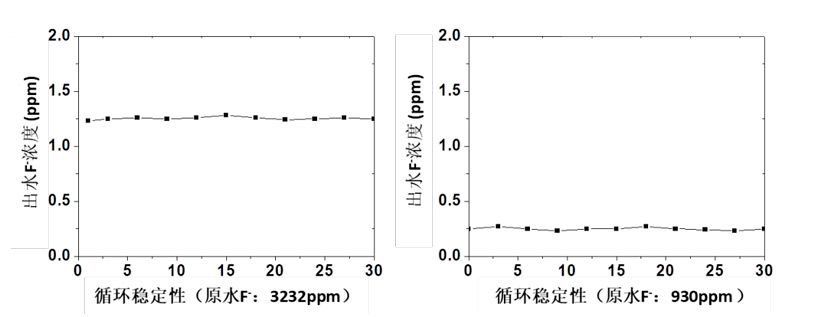
As shown in Table 2, the Haipu defluorination adsorbent has excellent performance. In addition, multiple batches of stability tests were conducted on the relevant adsorbents, as shown in Figure 5.


After dozens of stability testing experiments, it can be seen that the performance of the special defluorination adsorbent is stable and reliable.


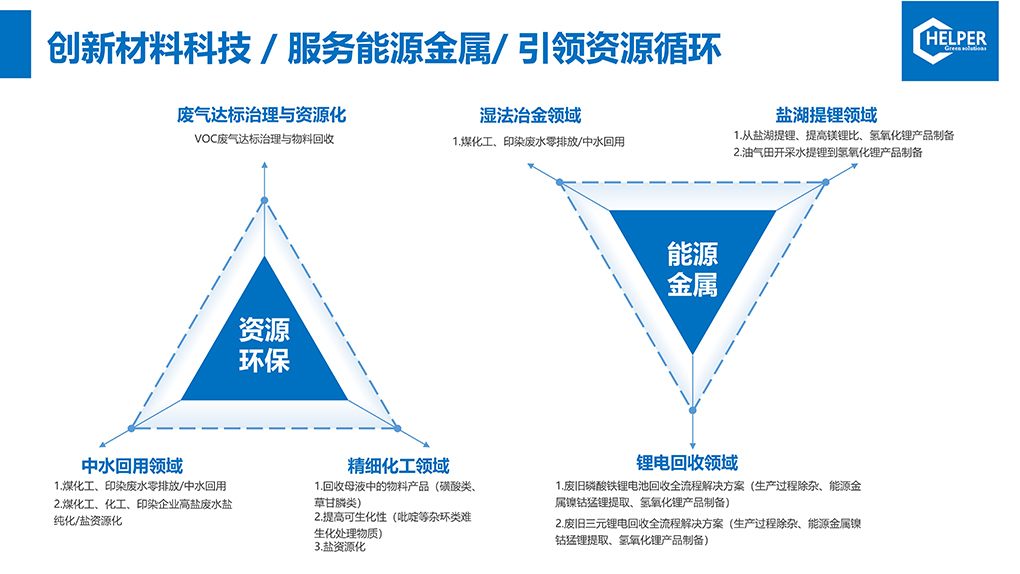
Innovative Materials Technology/Service Energy Metals/Leading the Resource Cycle


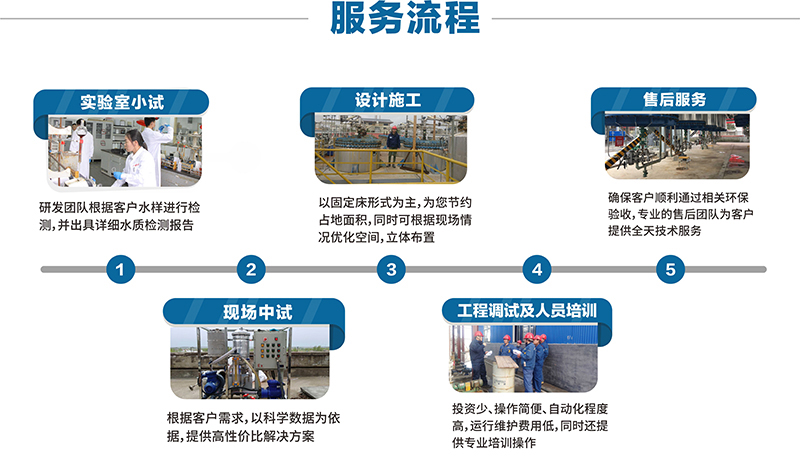
Service Process


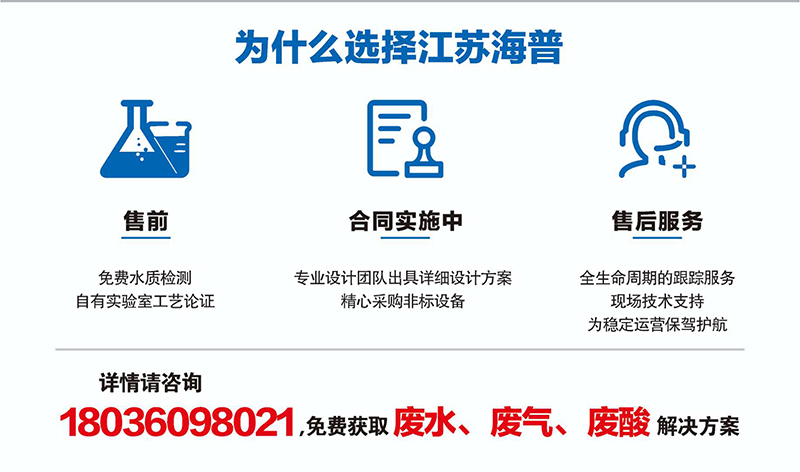
Why Choose Jiangsu Haipu


Here to Provide Complete Separation and Purification Solutions