High energy/power density and long lifespan are the eternal pursuit of rechargeable batteries.
From rechargeable lead-acid batteries, nickel cadmium batteries, nickel hydrogen batteries to today's lithium-ion batteries, battery technology has made great progress.
Since its successful commercialization in 1991, lithium-ion batteries have completely revolutionized the portable electronic device and electric vehicle markets, and have shown great potential in large-scale fixed energy storage systems such as smart grids, effectively storing and utilizing renewable energy sources such as solar and wind energy.
The widespread application of lithium-ion batteries makes it possible for a clean and sustainable society that does not rely on fossil fuels.
Generally speaking, the service life of lithium-ion power batteries is about 5-7 years.
According to Xinhua News Agency, the cumulative retirement of power batteries in China will reach 200000 tons in 2020; By 2025, the retirement amount of lithium-ion batteries will reach 640000 tons, of which the retirement amount of power batteries will account for more than half.
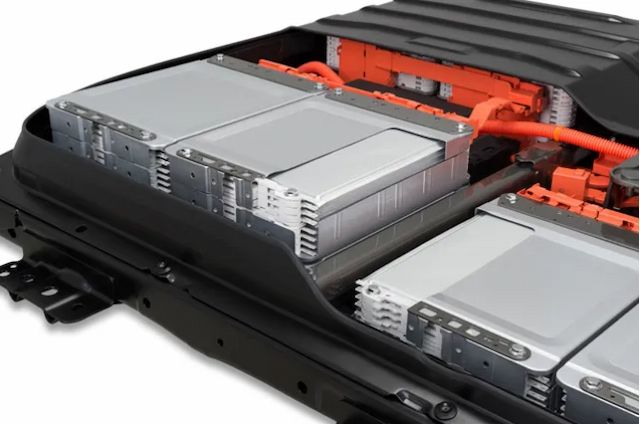
The necessity of lithium battery recycling
Industry practitioners have pointed out that there are issues such as demand exceeding supply, price uncertainty, and environmental pollution caused by ineffective disposal of retired batteries. Therefore, it is necessary to recycle waste lithium batteries.
On the one hand, batteries that have not been effectively recycled may cause safety and environmental issues, such as the risk of combustion and explosion of waste batteries, and the leakage of organic solvents, fluorine/phosphorus compounds, and other pollutants from batteries that pollute the environment.
On the other hand, the various metal elements contained in lithium batteries, such as lithium, cobalt, nickel, etc., have enormous recycling value.
In addition, the environmentally friendly treatment of waste batteries, the conversion of new energy vehicles into green and environmentally friendly vehicles, and the creation of an environmentally friendly industry throughout the entire industry chain are conducive to industrial development.
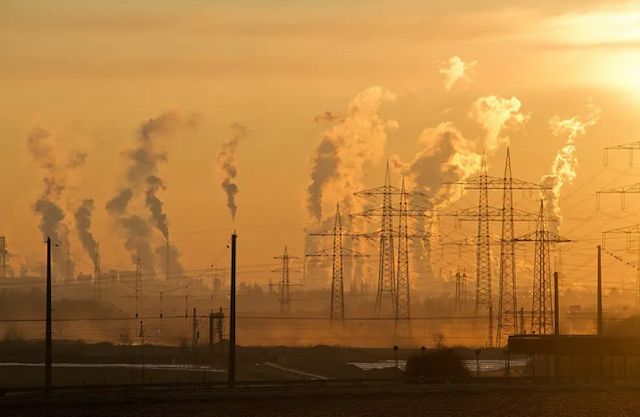
The problems and main methods of lithium battery recycling
The current lithium battery recycling is facing considerable difficulties and requires policy guidance and market-oriented improvements.
At the macro level, whitelist companies are only "recommended" cooperative enterprises for power battery recycling, and are not mandatory market access thresholds. Therefore, a large number of "family workshops" without battery recycling qualifications or even business licenses recycle waste batteries at high prices, violently dismantle and break them, disrupt the healthy development of the market, and cause serious environmental pollution.
At the industry level, the current responsibility for power battery recycling lies with car companies. Although car companies advertise nearly 10000 battery recycling outlets, the utilization rate of these outlets is very low.
In terms of processing methods, China mainly uses wet metallurgy technology for the recycling of retired lithium batteries, mainly using acids/bases, extractants, precipitants, etc. to convert metal ions into corresponding oxides or sulfides.
Due to the presence of electrolyte in waste batteries and limitations in the process flow, it is inevitable that fluoride ions will accumulate during the preparation of lithium salt compounds, resulting in excessive fluoride content.
| Recycling technology | Specific process | Main features | Advantages and disadvantages |
| Qianfa Recycling | Mechanical sorting method, high-temperature pyrolysis method | The preliminary stage of metal separation and recovery is achieved by using physical sorting and high-temperature pyrolysis methods to roughly screen and classify battery breakage, or high-temperature decomposition to remove organic matter for further element recovery, without using solutions or other media | Advantages: Short process flow Disadvantages: Lack of targeted recycling |
| Wet recycling | Wet metallurgical method, chemical extraction method, ion exchange method | Using various acidic and alkaline solutions as transfer media, metal ions are transferred from electrode materials to the diffusion solution, and then extracted from the solution in the form of salts, oxides, etc. through ion exchange, precipitation, adsorption, and other means. This is currently the main technology for treating waste nickel hydrogen batteries and lithium-ion batteries | Advantages: high recovery rate Disadvantages: complex process |
| Biological recycling |
| The use of microbial leaching to convert useful components of the system into soluble compounds and selectively dissolve them to obtain a solution containing effective metals, achieving the separation of target components and impurity components, and ultimately recovering valuable metals such as lithium. The research on this technology is just beginning and is the future direction of battery recovery technology development | Advantages: Low cost, minimal pollution, reusable Disadvantages: Immature technology |
*Lithium battery recycling technology
At present, mature methods for fluoride removal include coagulation precipitation, adsorption, ion exchange, etc.
Calcium salt is a widely used defluorination agent, which utilizes the precipitation of insoluble calcium fluoride to remove fluoride. However, in lithium chloride solution, it can only achieve rough defluorination and cannot achieve deep defluorination; The method of adding aluminum sulfate to the leaching solution of lithium mica ore for adsorption and defluorination is also proposed, but this method requires a large amount of investment, has high defluorination costs, and can cause difficulties in pressure filtration, which is not conducive to production.
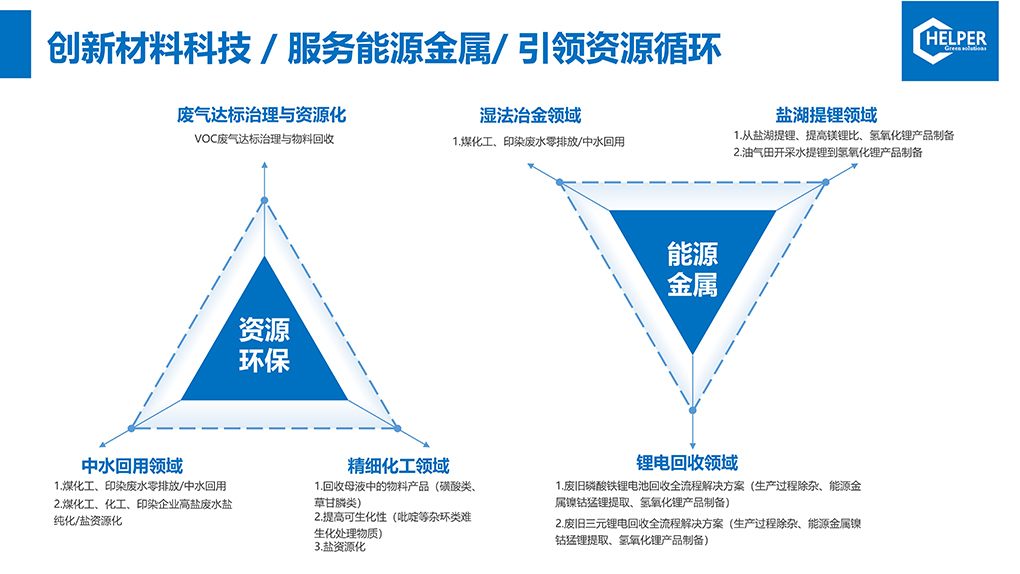
The special adsorption material developed by Haipu can selectively separate fluoride ions or nickel ions from the lithium battery recycling solution, which not only reduces cost investment for enterprises, but also effectively protects the environment, thus achieving resource recycling and reuse.
The business scope of Anhui New Materials Technology Co., Ltd. includes the research and development, production, processing, and sales of precursors, positive electrode materials, and new energy materials.
The lithium sulfate liquid generated during the production process of the enterprise needs to undergo defluorination treatment. Based on the characteristics, difficulties, and treatment requirements of the liquid, our company's relevant specialized adsorption materials are selected for adsorption treatment of the liquid. The effluent can meet customer requirements, and the wastewater design indicators are shown in the table below.
| Indicator | Water volume (t/d) | Fluorine (mg/L) | pH | Remarks |
| Absorb incoming water | 200 | ~250 | ~9 |
|
| Adsorbed water | 200 | <1 | ~4 | Product liquid |
| High concentration desorption solution | ~6.67 | / | Alkalinity | Return to the front end after precipitating fluorine |
| Indicator | Water volume (t/d) | Fluorine (mg/L) | Li: Na |
| Absorb incoming water | 200 | ~250 | 60.3:1 |
| Adsorbed water 1 | 200 | 0.5 | 82.9:1 |
| Adsorbed water 2 | 200 | 0.04 | 72.4:1 |
By using specially modified adsorption materials, the adsorption capacity is large, the equipment investment is low, and the operating cost is low. At the same time, it can effectively reduce the concentration of fluoride ions and help the safe, efficient, and green recycling and treatment of retired power batteries.
Summary
The Chinese lithium battery recycling market is a huge blue ocean, and with the unstoppable development of new energy, lithium battery recycling will also enter the TWh era.
The recycling and utilization of waste lithium batteries has both economic and environmental benefits, and is an important link in achieving the green "closed-loop" development of the new energy industry.
Under the influence of multiple factors such as policies, interests, and social responsibility, the green recycling system of lithium batteries from production to use to recycling will be further improved in the future.

 CN
CN EN
EN
 es
es