Current situation of VOCs organic waste gas treatment
At the beginning of the 14th Five Year Plan, "reducing pollution and carbon emissions" has become a new hot topic in the fields of ecological civilization construction and ecological environment protection.
VOCs governance has also ushered in a refined and specialized new market ecology, and energy conservation and safety will become the main focus of engineering. Precise governance of small and medium-sized enterprises has become a key control point.
Although some regions have formulated local emission standards and strengthened basic capacity building for VOCs monitoring, surveillance, reporting, statistics, etc., some progress has been made in VOCs governance. However, VOCs control work is still weak, such as poor waste gas collection efficiency, incorrect process selection, mismatch between air volume and equipment, and other problems. In addition, there are historical legacy issues in key industries (enterprises), such as low safety, high energy consumption, and unorganized emissions.
In summary, the main manifestations are:
| Main issues that exist |
| Insufficient source control measures | The use of organic solvents and other VOCs containing raw and auxiliary materials is an important source of VOCs emissions. Currently, there is a significant lack of source substitution measures for low VOCs content raw and auxiliary materials in China |
| The problem of unorganized emissions is prominent | Although the Air Pollution Prevention and Control Law and other regulations require the closure of unorganized VOCs emissions, currently large and widespread enterprises have not taken effective control measures, especially small and medium-sized enterprises with poor management level, low collection efficiency, and prominent emission problems |
| Simple and inefficient pollution control equipment | The VOCs treatment market in China started relatively late, with low entry barriers and insufficient regulatory capabilities. The quality of pollution control facilities varies greatly, with prominent phenomena such as ineffective and ineffective treatment. Some enterprises, due to non-standard design and system mismatch, have not achieved the expected pollution control effect even if they choose high-efficiency treatment technologies |
| Irregular operation management | Some enterprises adopt activated carbon adsorption technology, but do not replace the adsorption materials for a long time; Some enterprises adopt combustion and condensation treatment technologies, but the operating temperature cannot meet the design requirements; Some companies have carried out leak detection and repair (LDAR) work, but have not operated according to regulations |
| Inadequate monitoring and surveillance | The VOCs monitoring work in China is still in its early stages, and the quality of self-monitoring by enterprises is generally not high. Problems such as unreasonable point settings, non-standard sampling methods, and weak representativeness of monitoring periods are prominent |
Product Introduction
In response to the shortage of new technologies/materials for VOCs organic waste gas treatment and the focus on some chains, Jiangsu Haipu Functional Materials Co., Ltd. has developed a series of products - VOCs resource recovery and standard emission adsorption resin.
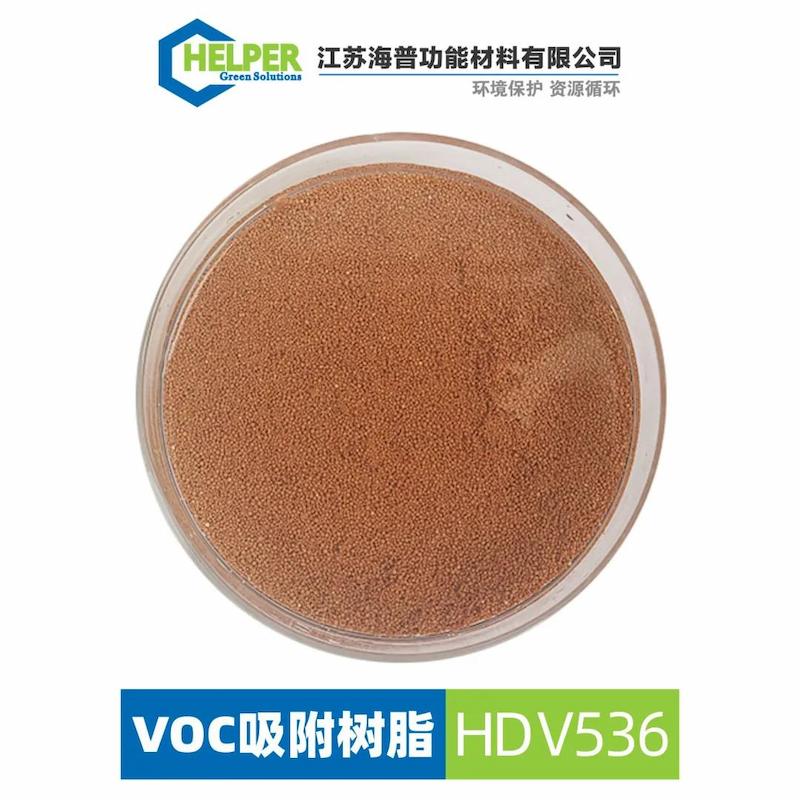
*HDV536: Halogenated hydrocarbon adsorption resin product
There are different models of products to choose from according to different application scenarios and processing objects.
Benzene adsorption resin: HDV336 is used for the recovery and standard emission of benzene, toluene, xylene and other benzene waste gas resources.
Halogenated hydrocarbon adsorption resin: HDV536 is used for the recovery and standard emission of halogenated hydrocarbon waste gas resources such as dichloromethane and dichloroethane.
Ester adsorption resin: HDV330 is used for the recovery and standard emission of ester waste gas resources such as ethyl acetate.
Haipu's multiple VOCs treatment resin products can meet the following waste gas treatment needs.
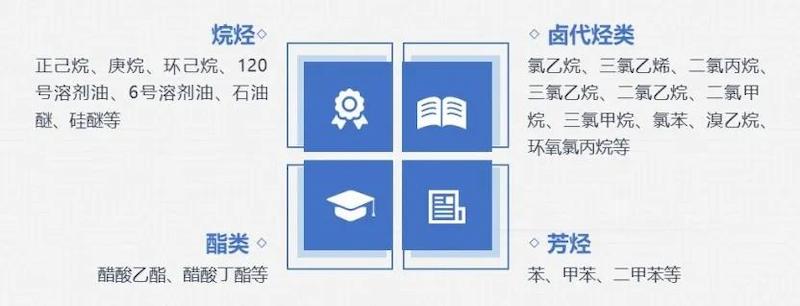
Product parameters
Haipu's various organic waste gas treatment adsorption resins can treat a wide range of organic waste gases, efficiently removing harmful components from the waste gas with high removal rates. The pollutant content in the exhaust gas is strictly controlled, and the effective components in the waste gas can be adsorbed and recovered to improve resource utilization.
| Name | Index |
| Appearance | Brown spherical particles |
| Water content | 50.0~60.0% |
| Particle size range | (0.3-1.20mm) ≥95.0% |
| Wet visual density | 0.7-0.8 g/L |
| Sphericity ratio | ≥95.0% |
| Functional groups | Low export concentration and good strength |
When processing, the relevant VOCs waste gas is first extracted by a vacuum pump and subjected to secondary condensation. The condensed and liquefied components are received in storage tanks, and the uncondensed waste gas is connected to an adsorption tower containing adsorption resin for adsorption enrichment. After adsorption, the waste gas can be discharged in compliance with standards.
After the adsorbent is saturated with adsorption, it is blown off. The mixture of blown off components and water vapor is then condensed and liquefied, and allowed to stand and separate into layers for separation and recovery. This process can achieve a removal rate of over 98% for dichloroethane in waste gas, and is also suitable for the treatment of waste gases such as dichloromethane, toluene, and dibromopropane.
Product and its supporting process characteristics
Compared with the organic waste gas treatment technologies on the market, Haipu's organic waste gas adsorption resin products and their supporting processes have the following advantages:
Structural characteristics: Formed by polymerization and activation of different organic monomers, it has a large specific surface area, uniform and controllable pore size, and strong selectivity.
Adsorption effect: After multiple on-site verifications, the exhaust gas adsorption treatment can stably meet the emission standards within the effective duration.
Reproducibility: Stable regeneration performance, can be reused repeatedly, and stable adsorption treatment performance.
Service life: No need for overall replacement, annual replenishment ≤ 5%, surface hydrophobic, stable adsorption performance; Good mechanical strength, no hole collapse, no powdering, high temperature resistance, long service life.
Product application effect
Haipu organic waste gas adsorption resin products and their supporting combination processes have helped multiple customers meet their waste gas related treatment needs.
01
A certain dichloroethane waste gas treatment and recovery project
This project effectively achieved the recovery of dichloroethane waste gas, providing protection for the subsequent RTO system; Annual recycling of resources worth approximately 1.1 million yuan.
| Entry name | Technical parameter |
| Waste gas components | Mainly dichloroethane |
| Waste gas content | 3049mg/m³ |
| Exhaust condition | Normal temperature and pressure |
| VOCs emissions | 4.7mg/m³ |
01
Jiangsu Dichloroethane Waste Gas Treatment and Recovery Project
A production workshop in Jiangsu produces 3000m³/h of dichloroethane waste gas with a concentration of 30000mg/m³. After treatment with our company's special adsorbent, the dichloroethane content is ≤ 30mg/m³, ensuring that the exhaust can be integrated into the subsequent RTO system and achieving resource recovery of dichloroethane (approximately 710 tons of dichloroethane are recovered annually).
The reliability and stability of technology, the economy of investment and operation, and the convenience of device operation meet customer expectations.
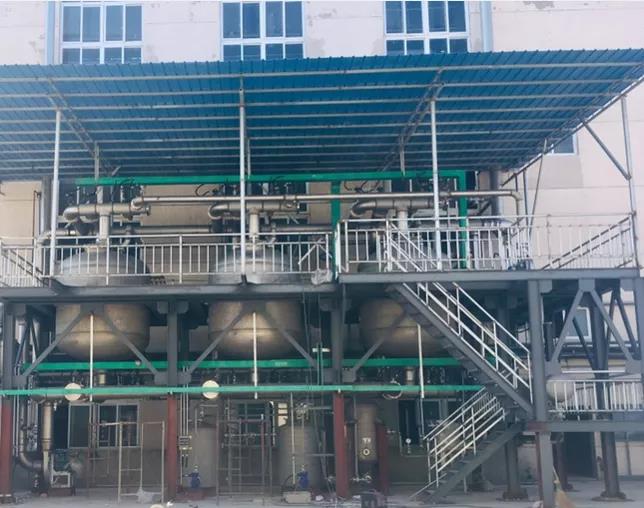
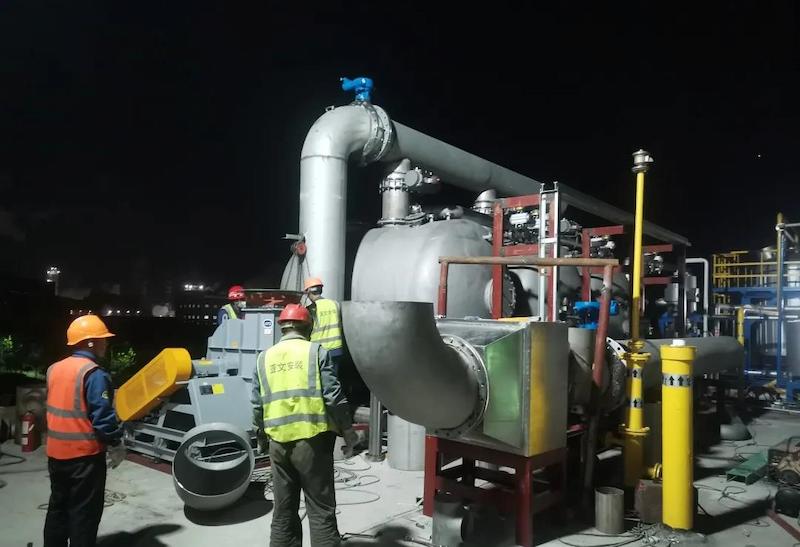
*On site dichloroethane waste gas treatment project
02
Treatment and Recovery of Toluene Waste Gas
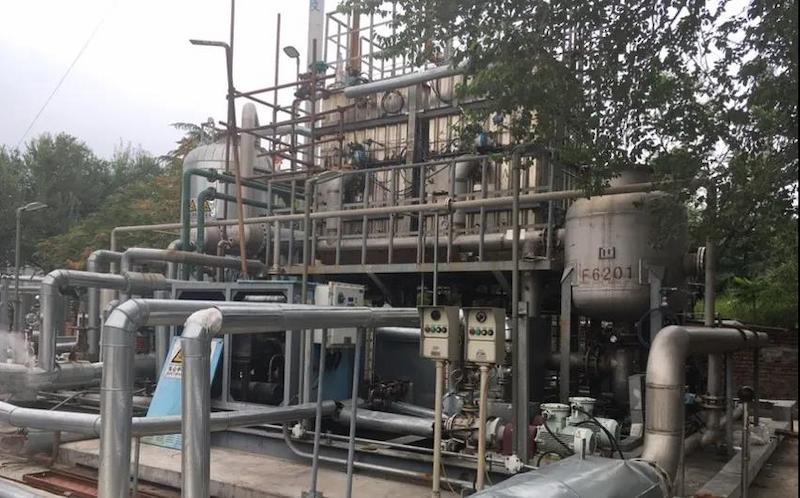
3000mg/m³ of toluene waste gas generated by a petrochemical company in Beijing: After multiple comparisons and investigations, Haipu technology was selected. After our company's special adsorption process, the toluene content was reduced to 5mg/m³, and about 50 tons of toluene were recovered annually, with significant and stable effects.
The company will gradually adopt our adsorption technology instead of the original activated carbon fiber technology for the treatment of nearly 20 other VOCs in the future.
02
A certain benzene waste gas treatment project
This project can recycle~82.34 tons of benzene annually, and the recycled products are returned to the production process. The annual value of recycled resources is about 494000 yuan.
| Entry name | Technical parameter |
| Waste gas components | Mainly cyclohexane |
| Waste gas content | 3075mg/m³ |
| Exhaust condition | Normal temperature and pressure |
| VOCs emissions | 2.7mg/m³ |
03
A cyclohexane waste gas treatment project
This project can recycle approximately 299.3 tons of cyclohexane products annually, which will be returned to the production process. The annual value of the recovered resources is about 1.9155 million yuan.
| Entry name | Technical parameter |
| Waste gas components | Mainly cyclohexane |
| Waste gas content | 3075mg/m³ |
| Exhaust condition | Normal temperature and pressure |
| VOCs emissions | 2.7mg/m³ |
04
A petroleum ether waste gas treatment project
| Entry name | Technical parameter |
| Waste gas components | Mainly acetate esters and petroleum ethers |
| Waste gas content | 5093mg/m³ |
| Exhaust condition | Normal temperature and pressure |
| VOCs emissions | 33mg/m³ |
05
A certain dichloromethane waste gas treatment project
| Entry name | Technical parameter |
| Waste gas components | Mainly dichloromethane |
| Waste gas content | 24398mg/m³ |
| Exhaust condition | Normal temperature and pressure |
| VOCs emissions | 16mg/m³ |
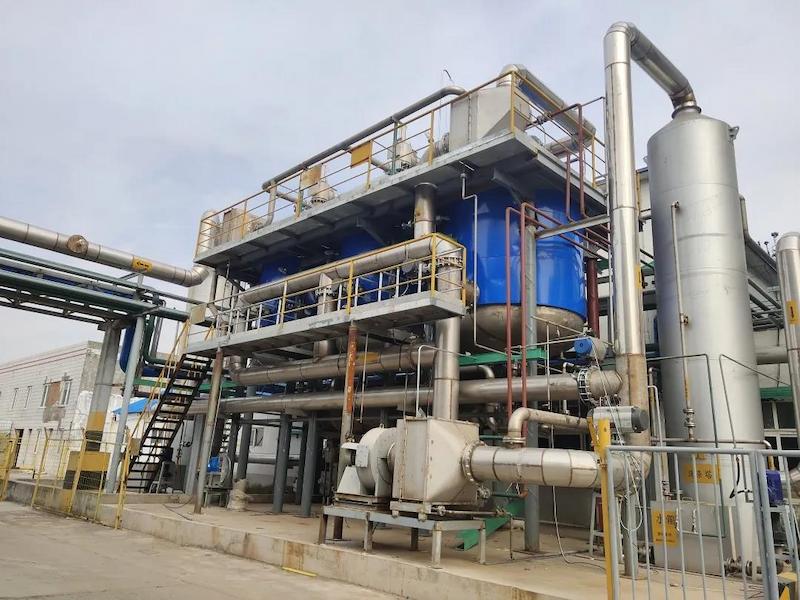
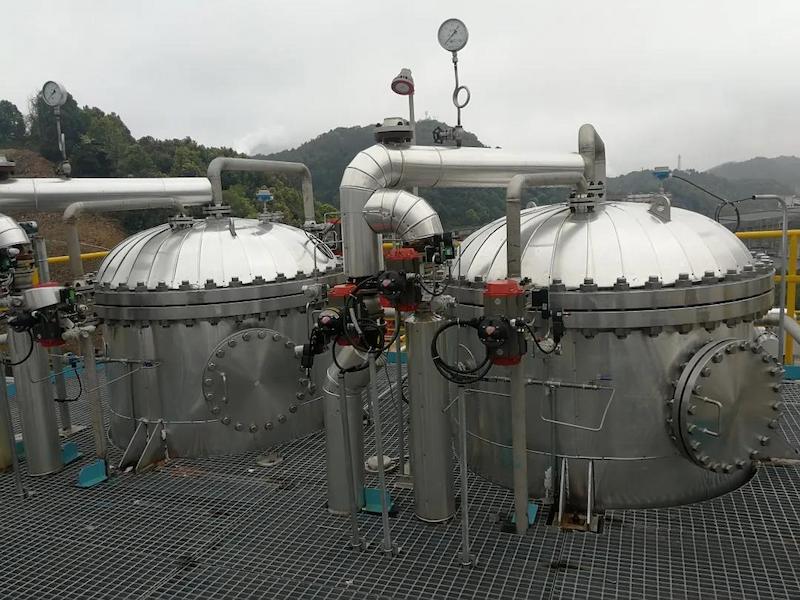
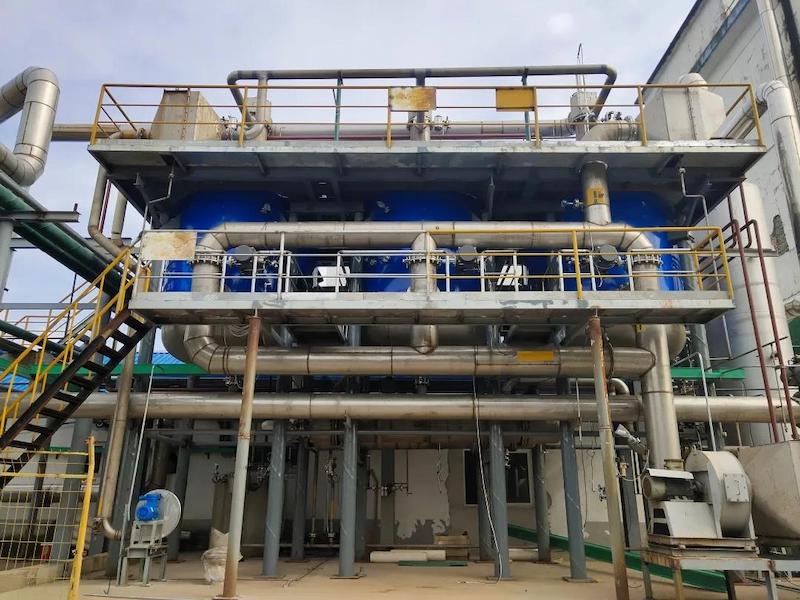
On site treatment of resin products and supporting processes
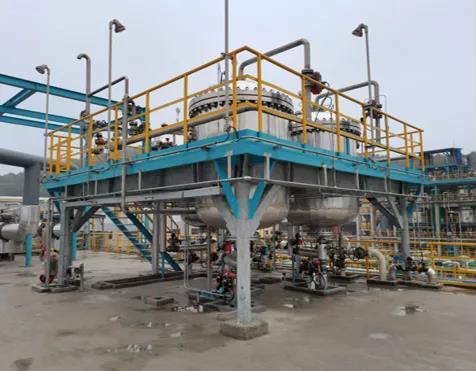
*On site organic waste gas treatment project

 CN
CN EN
EN
 es
es